Museo Nacional del Prado: A Visitor's Guide in Madrid
At a glance
How this guide was made: Editor-reviewed, AI-assisted. Facts are pulled from live Google Places data; images are licensed or public domain. See our editorial policy.
Why go
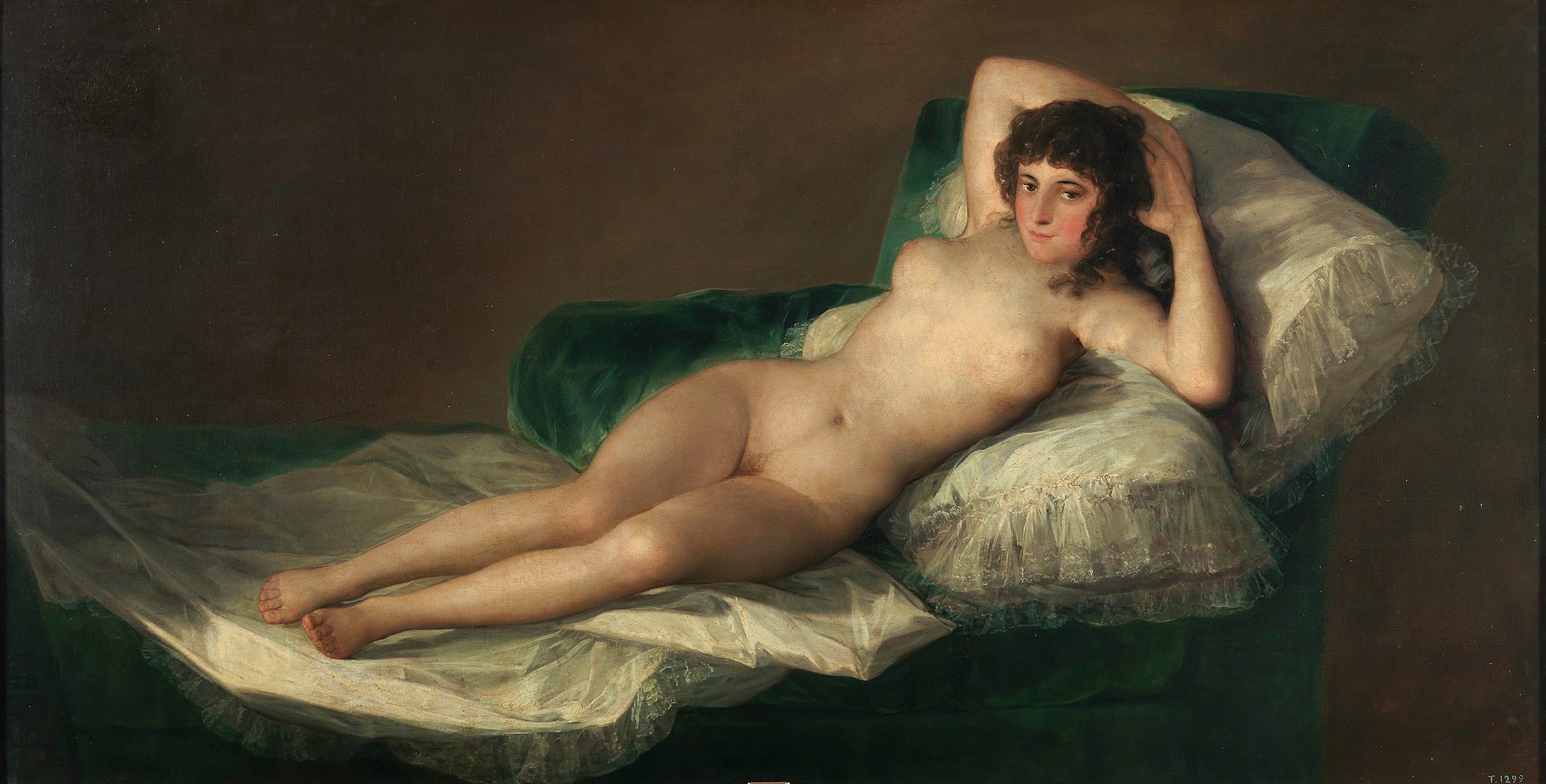
The Museo Nacional del Prado, in Madrid’s Retiro district, holds one of the deepest collections of European painting anywhere, spanning the 12th to the 19th century. Its reputation rests on three Spanish masters: Diego Velázquez, whose “Las Meninas” anchors an entire room and remains one of the most analyzed paintings in Western art; Francisco Goya, represented across his full career from lighthearted tapestry cartoons to the harrowing “Black Paintings” and “The Third of May 1808”; and El Greco, whose elongated, mystical figures fill several galleries. Beyond the Spanish canon, the Prado’s Flemish and Italian holdings — Bosch’s “The Garden of Earthly Delights,” Titian, Rubens, van der Weyden — are strong enough to anchor major museums on their own. With a 4.7 rating across roughly 155,000 reviews, it’s consistently ranked among the top two or three art museums on the planet, alongside the Louvre and the Uffizi.
Getting there
The museum sits at Paseo del Prado, in the Retiro neighborhood, an easy walk from central Madrid. The closest metro stop is Banco de España (Line 2), about a 5-minute walk north along Paseo del Prado. Atocha (Lines 1 and Cercanías/AVE trains) is roughly 10–15 minutes on foot to the south and convenient if arriving by train from the airport or other cities. Estación del Arte is the closest Cercanías (commuter rail) stop, literally named for the museum. Several bus lines (9, 10, 14, 19, 27, 34, 37, 45) stop along Paseo del Prado directly outside. The main visitor entrance is the Jerónimos entrance on the east side, next to the modern glass extension designed by Rafael Moneo; there’s also the Goya entrance (Puerta de Goya) facing Calle Ruiz de Alarcón, often used for pre-booked ticket holders.
What to see
Given the scale of the collection — around 8,000 paintings, with only a fraction on display at once — it helps to prioritize. Start on the first floor with Velázquez’s “Las Meninas” (Room 12) and the surrounding royal portraits, then move to the Goya rooms, which trace his evolution from court painter to the dark, disturbing works of his final years, including “Saturn Devouring His Son.” Devote time to Bosch’s triptych “The Garden of Earthly Delights,” one of the most reproduced and debated paintings in art history, and to El Greco’s elongated saints and “The Adoration of the Shepherds.” The Italian galleries hold Titian’s portraits of Charles V and Fra Angelico’s “The Annunciation.” Budget at least 2.5 to 3 hours for a focused visit; art lovers often spend a full half-day. Free official floor plans and audio guides (rentable on-site) help navigate the building’s layout, which spans several connected wings.
When to go
Mornings on weekdays, right at opening, tend to be least crowded — tour groups typically arrive mid-morning. The Prado offers free entry during limited evening hours most days of the week (historically around 6–8pm Monday to Saturday and 5–7pm Sunday), which draws a steady crowd but is a legitimate budget option if you don’t mind moving faster. Confirm current opening hours, free-entry windows, and admission prices on the official Prado website before visiting, since these are adjusted periodically. Timed-entry online booking is strongly advisable year-round and essential in peak tourist months (spring and early autumn).
Nearby & tips
The Prado anchors Madrid’s “Golden Triangle of Art” along with the Thyssen-Bornemisza Museum, a few minutes’ walk south near Atocha, and the Reina Sofía (home to Picasso’s “Guernica”), about 10 minutes on foot. The Retiro Park, one of Madrid’s great green spaces, borders the museum to the east and makes a natural place to decompress afterward with a coffee or a walk around the Estanque Grande lake. Bag checks and security lines can add time, so arrive a few minutes before your slot. Photography without flash is generally permitted in most galleries, but rules can vary by room, so check posted signage.
Hotel prices update live and are shown in your local currency. Booking links are affiliate links — booking through them supports our free guides at no extra cost to you.
Live prices from Klook. Booking through these links supports our free guides at no extra cost to you.
Some links above are affiliate links — if you book through them, Wander Atlas earns a small commission at no extra cost to you. It’s how we keep every guide free.
Frequently asked questions
How do I get to the Prado by metro?
Take Line 2 to Banco de España station, then walk about 5 minutes south along Paseo del Prado to the Jerónimos entrance.
How long should I plan to spend at the Prado?
Budget at least 2.5–3 hours for the highlights (Velázquez, Goya, El Greco, Bosch); serious art fans often spend half a day.
Is there a way to visit for free?
The Prado offers free entry during designated evening hours most days of the week — check the official website for current times, as they can change.
Do I need to book tickets in advance?
Yes, timed online booking is highly recommended, especially in spring and autumn, to avoid long lines at the entrance.
What else is nearby if I want to see more art?
The Prado is part of Madrid's 'Golden Triangle of Art' with the Thyssen-Bornemisza Museum and Reina Sofía (home to Picasso's Guernica), both within a 10-minute walk, and Retiro Park borders the museum for a break afterward.
This guide was produced with AI assistance and reviewed against live data sources. Facts such as hours, ratings, and location come from Google Places; images are licensed or public domain. Details can change — please verify before visiting. See our editorial policy.